
Molecule Library
MOTS-C Peptide: What It Is, What Research Shows and What Is Still Unknown
Helpful information about natural and synthetic MOTS-C, energy and weight claims, human evidence, side effects, FDA status and unanswered questions.
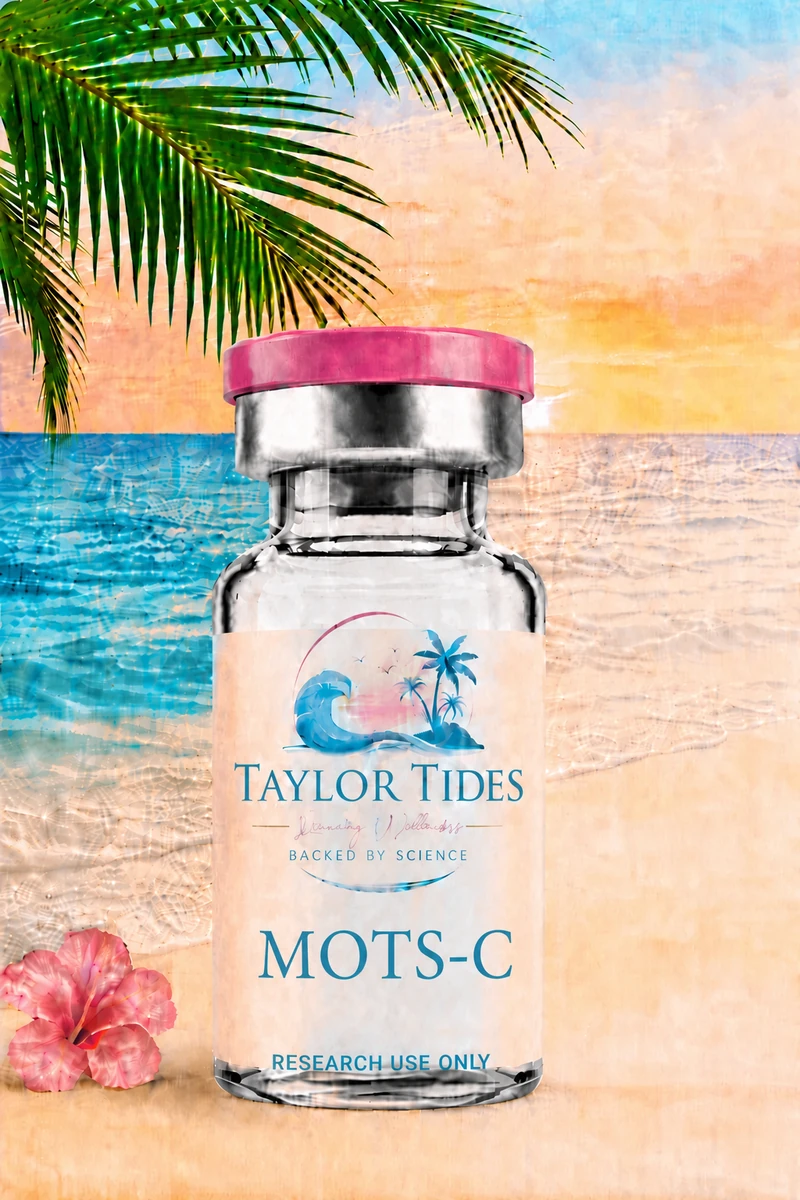
MOTS-C peptide is a small peptide naturally made by the human body. Scientists are studying its connection to energy use, exercise and metabolism, which is how the body turns food into energy and decides how to use or store it.
Most claims about synthetic MOTS-C, however, are based on research involving cells and animals. It has not been proven to provide the same benefits when administered to people.
This page explains what the MOTS-C peptide is, why people are researching it and what remains unknown about its benefits, side effects and safety.
MOTS-C in 30 Seconds
- MOTS-C is a short biological message naturally produced by the body.
- Its instructions come from mitochondria, the parts inside cells that help turn food into usable energy.
- Exercise appears to affect the body’s natural MOTS-C system.
- Animal studies have explored possible effects on metabolism, insulin response and exercise capacity.
- Those findings do not prove that synthetic MOTS-C produces the same results in people.
- MOTS-C is not an FDA-approved medication.
- Researchers have not established a safe human treatment, standard dosage or long-term risk profile.
- MOTS-C is prohibited for athletes subject to anti-doping rules.
What Is the MOTS-C Peptide?
A peptide is a short chain of amino acids. Amino acids are small building materials the body uses to make peptides and proteins.
Some peptides act like short biological messages. They tell cells or parts of the body to start, stop or adjust a process.
MOTS-C is one of those messages. It contains 16 amino acids, and its instructions are found inside mitochondria.
Mitochondria are tiny working parts inside most cells. They help turn nutrients from food into energy the cell can use. They also help cells adjust when energy demands or physical conditions change.
A simple way to picture mitochondria is as the cell’s combined power and maintenance rooms. MOTS-C appears to be one message those rooms can send when the body is managing energy or stress.
Its full scientific name is “mitochondrial open reading frame of the 12S rRNA-c.” Understanding that name is not necessary for understanding the research. MOTS-C is the abbreviation used in most studies and online discussions.
Natural MOTS-C Versus Synthetic MOTS-C
This is the most important distinction on the page.
Your body naturally makes MOTS-C. Scientists can measure it in blood and tissue and study how its levels relate to exercise, age and metabolic health.
Synthetic MOTS-C is manufactured outside the body. It may be sold online or offered as a compounded injectable product.
Even if the manufactured product is intended to copy the natural peptide, important questions remain:
- Does the product contain what its label claims?
- Is it pure and sterile?
- How much reaches the intended parts of the body?
- Can the immune system react to it?
- What happens after repeated or long-term use?
The body controls when, where and how much natural MOTS-C it produces. An outside product can create a different amount and pattern of exposure.
Something being natural to the body does not automatically make a manufactured version safe to administer.
Why Are People Researching MOTS-C?
Most people encounter MOTS-C while searching for information about low energy or fatigue, exercise endurance, weight management, blood sugar and insulin response, metabolic health, age-related physical decline, mitochondrial health or healthy aging.
MOTS-C attracts attention because animal studies have produced interesting results involving metabolism and physical performance.
Online articles and marketing materials sometimes present those early findings as proven human benefits. The human evidence is much more limited.
What Has Actually Been Studied in Humans?
Researchers Have Measured the Body’s Natural MOTS-C
Scientists have measured naturally occurring MOTS-C in human blood or tissue. They have looked for possible relationships with exercise, age, insulin response, obesity, kidney disease and other conditions connected to how the body uses energy.
This includes polycystic ovary syndrome, or PCOS, a hormone-related condition that can affect menstrual cycles, insulin response and fertility.
These studies help scientists understand what natural MOTS-C may do inside the body. They do not test whether administering synthetic MOTS-C is an effective treatment.
Researchers Tested a Related Molecule Called CB4211
A completed early clinical trial studied CB4211 in healthy adults and people with nonalcoholic fatty liver disease, a condition involving excess fat stored in the liver.
CB4211 is an analog of MOTS-C. An analog is a related molecule that scientists have deliberately changed. It is not the same substance as ordinary MOTS-C.
The study enrolled 88 participants and primarily examined safety and how the body handled CB4211. ClinicalTrials.gov lists the CB4211 study as completed, but no results are posted in the registry.
The trial shows that scientists have tested one MOTS-C-related drug in people. It does not prove that products labeled MOTS-C are safe, effective or equivalent to CB4211.
What Do Animal and Laboratory Studies Suggest?
Most of the encouraging MOTS-C treatment evidence comes from cells and animals.
Researchers have explored whether administered MOTS-C affects insulin response, exercise capacity, age-related physical decline, weight gain, fat accumulation, inflammation and how muscles use energy.
Some studies produced promising findings, particularly in mice. Animal studies help scientists decide what deserves further investigation. They cannot establish that people will receive the same benefits or face the same risks.
A mouse living in a controlled laboratory is different from a person with individual health conditions, medications, eating patterns and daily habits. Human clinical trials are needed to determine whether an experimental treatment is useful and reasonably safe for people.
How Might MOTS-C Work?
Researchers think MOTS-C may help cells adjust when their energy supply or physical environment changes.
One system involved is called AMPK. The full scientific name is not important here. It can be understood as one of the cell’s fuel gauges.
When a cell senses that usable energy is running low, this system helps adjust how energy is produced, stored and spent.
“Energy conditions have changed. Adjust how the cell uses fuel and protects itself.”
This proposed explanation helps scientists design more research. It does not prove that administering synthetic MOTS-C creates a useful health benefit.
Does MOTS-C Increase Energy or Exercise Endurance?
Exercise appears to affect the body’s natural MOTS-C system. Animal research also suggests that administered MOTS-C may help mice adapt to exercise and maintain physical performance as they age.
That does not answer whether synthetic MOTS-C improves energy or endurance in people.
Forum experiences vary widely. Some people describe better endurance or feeling less tired during exercise. Others report no noticeable change. Some say they felt unusually tired or sleepy.
These accounts reveal what people are experiencing and asking, but they cannot prove what caused the result. Product quality, expectations, sleep, nutrition, health conditions, training changes and other substances can all influence how someone feels.
Natural MOTS-C appears connected to the body’s response to exercise. Synthetic MOTS-C has not been proven to increase human energy or endurance.
Does MOTS-C Cause Weight Loss?
MOTS-C is frequently marketed as a weight-loss or metabolic peptide.
In animal studies, researchers have explored possible effects involving weight gain, fat storage, glucose use and insulin response.
Human researchers have also found relationships between natural MOTS-C levels and certain measurements of metabolic health. Finding two things together, however, does not prove that one caused the other.
There is not enough human evidence to conclude that synthetic MOTS-C causes meaningful weight loss, treats insulin resistance, improves blood sugar, reduces body fat or replaces nutrition, exercise, approved medication or medical care.
Weight loss remains a research and marketing claim, not an established human benefit of synthetic MOTS-C.
Does MOTS-C Work?
The honest answer is that we do not know whether synthetic MOTS-C provides meaningful health benefits in people.
Research supports narrower conclusions: natural MOTS-C exists in the human body; exercise and metabolic conditions may affect its natural levels; cell and animal studies suggest a role in energy use and physical stress; and scientists completed an early human trial of a modified MOTS-C analog.
Research has not established that synthetic MOTS-C treats fatigue, produces weight loss, improves exercise performance, reverses insulin resistance, repairs damaged mitochondria, slows human aging, prevents disease or provides safe long-term benefits.
That does not mean every proposed benefit will be disproven. It means the necessary human studies have not been completed.
MOTS-C Side Effects and Safety
A dependable list of common MOTS-C side effects does not exist because unmodified synthetic MOTS-C has not been adequately tested in controlled human trials.
People discussing MOTS-C online have reported injection-site pain, itching, redness or welts; fatigue or sleepiness; nausea or vomiting; diarrhea or stomach discomfort; headaches; sleep changes; heart palpitations; changes in blood pressure; feverish feelings; and no noticeable effect.
These reports should not be treated as a medically verified side-effect list. In most forum discussions, we cannot confirm what the product contained, whether it was pure or sterile, what other substances were involved or whether MOTS-C caused the experience.
The reports still show why reliable safety studies are needed.
FDA has raised additional concerns about compounded MOTS-C, including insufficient human safety information, possible immune reactions, unwanted substances created during manufacturing and difficulty confirming the identity and quality of the finished substance.
Anyone experiencing a serious or unexpected reaction should seek qualified medical care rather than relying on advice from social media.
Do You Need SS-31 Before MOTS-C?
Peptide forums frequently claim that SS-31 should be used before MOTS-C to “repair” or “prepare” the mitochondria.
The idea is sometimes described this way: SS-31 repairs the engine, and MOTS-C supplies the fuel. It is easy to remember, but it is not a proven medical protocol.
SS-31 was an early research name for elamipretide. In 2025, FDA approved a prescription elamipretide product called Forzinity for one narrow use: improving muscle strength in adults and children with Barth syndrome who weigh at least 30 kilograms, or about 66 pounds.
That approval does not establish that products sold online as SS-31 are the approved medicine. It also does not prove that SS-31 must be used before MOTS-C, prevents side effects, shows that someone’s mitochondria are damaged, produces better results when combined with MOTS-C or forms part of a safe “mitochondrial protocol.”
Using SS-31 before MOTS-C remains popular forum advice, not an established treatment sequence.
What About MOTS-C Stacks?
A stack is a combination of substances used together.
Online discussions frequently involve MOTS-C being combined with SS-31, NAD+, retatrutide, testosterone or other peptides and medications.
Using several substances creates a basic problem: it becomes difficult to know which one caused a benefit or unwanted reaction. Research on MOTS-C alone also cannot tell us whether a particular combination is safe.
Taylor Tides does not provide stacking, cycling, injection or dosing instructions. A healthcare professional who knows the person’s medical history and medications is better positioned to evaluate possible interactions and risks.
MOTS-C and Cancer
People sometimes ask whether MOTS-C can cause cancer or protect against it. There is not enough human evidence to support either claim.
MOTS-C is involved in how cells manage energy and respond to stress. Cancer cells also change how they use energy. That connection makes MOTS-C interesting to researchers, but it does not provide a simple answer about cancer risk.
Cell and animal findings cannot establish that synthetic MOTS-C prevents, treats or causes cancer in people.
Anyone with cancer, a history of cancer or an elevated cancer risk should discuss an experimental peptide with an oncologist or another qualified physician.
Is MOTS-C FDA Approved?
No. MOTS-C is not an FDA-approved medication.
FDA approval means that a particular drug, use, formulation and manufacturing process have been reviewed for safety, effectiveness and quality. That has not happened for MOTS-C.
Compounded drugs are also not FDA approved. Compounding can meet certain medical needs, but FDA does not verify each compounded drug’s safety, effectiveness or quality before it reaches a patient.
FDA reviewed MOTS-C after it was proposed as a substance for pharmacy compounding. The agency identified major gaps: no adequate effectiveness evidence, no human data involving MOTS-C drug products, insufficient safety information, possible immune reactions, manufacturing and purity concerns and difficulty fully confirming the substance’s characteristics.
Seeing MOTS-C offered by a clinic, pharmacy or website does not mean FDA has determined that it is safe or effective.
Is MOTS-C Prohibited for Athletes?
Yes. MOTS-C is prohibited at all times for athletes subject to World Anti-Doping Agency rules.
“At all times” means during competition and outside competition.
Athletes remain responsible for prohibited substances found in their bodies even when a product came from a wellness clinic, was described as compounded, carried a “research purposes only” label, was recommended by another person or failed to list every ingredient accurately.
A tested athlete should check an appropriate anti-doping resource rather than relying on a seller or social media post.
How Can You Evaluate a MOTS-C Claim?
- Was the research conducted in people, animals or isolated cells?
- Did researchers measure the body’s natural MOTS-C or administer a manufactured product?
- Did they study MOTS-C or a changed molecule such as CB4211?
- Was there a placebo or comparison group?
- How many people participated?
- Were the results published, or did a company only announce them?
- Did the study measure a meaningful health improvement or only a laboratory number?
- Is the source explaining uncertainty or trying to sell something?
Be cautious with statements such as “repairs your mitochondria,” “exercise in a vial,” “melts visceral fat,” “reverses aging,” “clinically proven,” “no side effects,” “works for everyone” or “must be combined with SS-31.” These phrases make uncertain research sound settled.
Frequently Asked Questions About MOTS-C
What does MOTS-C stand for?
MOTS-C stands for mitochondrial open reading frame of the 12S rRNA-c. MOTS-C is a short biological message connected to mitochondria and energy use.
Is MOTS-C naturally found in the body?
Yes. The body naturally makes MOTS-C, and researchers have measured it in human blood and tissue. That does not establish that manufactured MOTS-C is safe or effective when administered from outside the body.
Is MOTS-C a weight-loss peptide?
MOTS-C is researched and marketed in connection with weight and metabolism. Synthetic MOTS-C has not been proven to cause safe, meaningful weight loss in people.
Does MOTS-C give you energy?
Some people online describe better exercise endurance. Others describe fatigue or no noticeable effect. Controlled human trials have not established that synthetic MOTS-C reliably increases energy.
What are the side effects of MOTS-C?
A reliable human side-effect profile has not been established. Online reports include injection-site reactions, fatigue, nausea, stomach symptoms, headaches, sleep changes and heart palpitations. These reports cannot establish how common the symptoms are or whether MOTS-C caused them.
Does MOTS-C repair mitochondria?
Natural MOTS-C appears involved in how cells respond to changing energy demands. That does not prove that synthetic MOTS-C repairs damaged mitochondria in people.
Is CB4211 the same as MOTS-C?
No. CB4211 is a deliberately modified version of MOTS-C. Research involving CB4211 should not automatically be treated as evidence for products labeled MOTS-C.
Is there an established MOTS-C dosage?
There is no standardized, FDA-approved MOTS-C treatment or dosage for human use. Schedules shared by clinics, sellers or forum participants are not the same as an approved treatment supported by adequate clinical evidence.
The Bottom Line
MOTS-C is a real peptide naturally made by the body. It appears connected to how cells manage energy, exercise and physical stress.
That makes it worth researching.
It does not make synthetic MOTS-C a proven energy treatment, weight-loss medication, exercise enhancer or anti-aging therapy.
Most of the encouraging treatment evidence comes from cells and animals. Human studies have mainly measured natural MOTS-C rather than administering synthetic MOTS-C as a treatment.
An early human trial tested CB4211, a modified molecule, not ordinary MOTS-C.
Important questions remain about meaningful benefits, short-term and long-term risks, who may be harmed, interactions with other substances and whether products contain what their labels claim.
Until dependable human research answers those questions, both curiosity and caution belong in any responsible discussion of the MOTS-C peptide.
This page provides general educational information. It is not medical advice, a diagnosis, a treatment recommendation or instructions for using MOTS-C or another substance.
Speak with a qualified healthcare professional before making decisions involving an experimental peptide, particularly if you have a medical condition, take medication, compete under anti-doping rules or experience an unexpected reaction.
Research Sources
- Cell Metabolism: discovery and early metabolic research involving MOTS-C
- Nature Communications: MOTS-C, exercise and age-related physical decline
- PubMed: exercise and naturally occurring mitochondrial-derived peptides in humans
- PubMed: natural MOTS-C levels and insulin sensitivity
- PubMed: natural MOTS-C, insulin and PCOS research
- ClinicalTrials.gov: Phase 1a/1b study of CB4211
- FDA: MOTS-C compounding evidence and safety review
- FDA: 2025 accelerated approval of elamipretide for Barth syndrome
- USADA: MOTS-C information and anti-doping status
Author: TaylorTides. Medical review status: Not reviewed by a licensed clinician. Research reviewed: August 28, 2026.