
Molecule Library
Glutathione Injections: What They Are, Possible Benefits and Safety Questions
Helpful information about glutathione injections, IV use, skin claims, possible benefits, side effects, product quality and Korean glutathione.
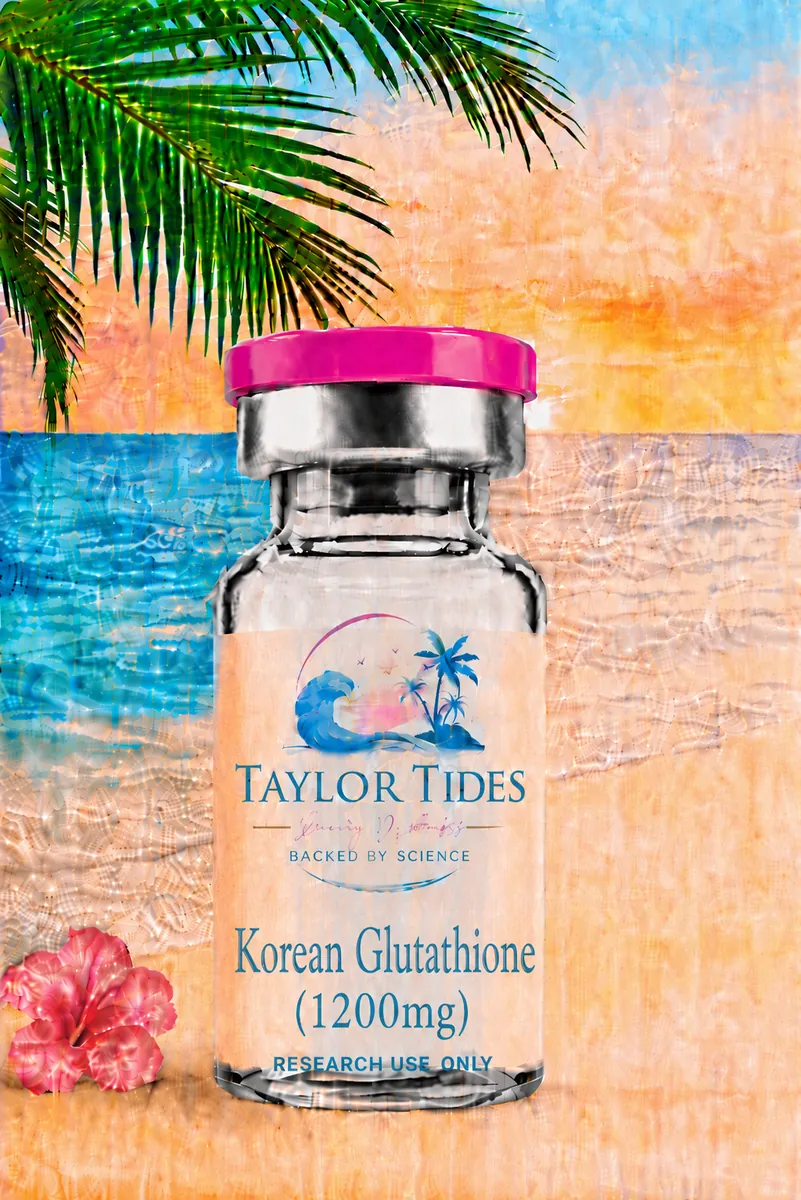
Glutathione injection benefits are widely promoted, but the evidence depends on the specific outcome, product and people studied.
Glutathione is part of the body’s natural system for protecting cells and processing certain unwanted substances. The body makes it by joining three amino acids, which are small components used throughout the body.
Scientists call glutathione a tripeptide because it contains three amino acids. In simple language, it is a very small peptide that cells continuously produce and reuse.
Glutathione injections and intravenous infusions deliver manufactured glutathione directly into the body. This page explains what glutathione does naturally and what remains uncertain about injectable forms, side effects and safety.
Glutathione in 30 Seconds
- What it is: A small peptide that the body produces naturally.
- What it contains: Glutamate, cysteine and glycine.
- What it does: Helps cells control damaging chemical reactions and process certain unwanted substances.
- Why people research it: Antioxidant support, skin lightening, recovery, liver health and other wellness goals.
- What forms exist: Oral supplements, intravenous infusions, intramuscular injections and other compounded preparations.
- What “Korean glutathione” means: Usually a product origin, brand or commercial description, not a different scientific form.
- Important distinction: A product intended for oral supplements is not automatically appropriate or safe for injection.
What Is Glutathione?
Imagine each cell as a small workshop. Normal activity inside that workshop produces chemical waste. Illness, inflammation, smoke, pollution and certain medications can create additional pressure.
Glutathione helps control some of that chemical wear and tear. It can interact with unstable substances before they damage important parts of a cell. The body can then convert used glutathione into a form that can work again.
That is why glutathione is called an antioxidant. An antioxidant helps control chemical reactions that could damage cells. It is not a magical shield, a detoxification cure or a guarantee against disease.
Glutathione also helps certain enzymes process some medications and other substances, especially in the liver. That does not mean taking or injecting glutathione automatically detoxifies the body. Several organs perform that much broader job.
Why Is Glutathione Considered a Peptide?
Amino acids are small building blocks. Glutathione connects three of them: glutamate, cysteine and glycine. Scientists therefore call it a tripeptide. “Tri” means three.
Glutathione is a tiny natural compound made from three small pieces. Cells produce it because it helps them control chemical wear and tear.
Calling glutathione a peptide describes how it is built. Calling it an antioxidant describes one of its most important functions.
Why Do People Research Glutathione Injections?
Glutathione injections appear in wellness clinics, infusion centers, beauty treatments and online peptide communities. They are promoted for antioxidant support, skin appearance, exercise recovery, increased energy, liver or immune support and general detoxification or anti-aging benefits.
These claims begin with a true fact: glutathione performs important work inside the body. The questionable leap is assuming that injecting more must improve every process in which it participates.
A natural substance can be essential without a larger amount always being better. The relevant question is whether injected glutathione has been shown to produce a specific benefit in people similar to those considering it.
Which Glutathione Injection Benefits Have Actually Been Studied?
Researchers have studied glutathione in relation to Parkinson’s disease, liver and metabolic health, exercise recovery, skin pigmentation and other areas.
A small randomized pilot study involving 21 people with Parkinson’s disease found no significant difference in Parkinson’s measurements between intravenous glutathione and placebo. Results from this specialized group cannot establish benefits for the general population.
Because the liver produces and uses glutathione, low levels may accompany certain diseases. This does not prove that injections repair the liver or remove unspecified toxins.
Research has also not established that routine injections consistently improve energy, recovery, immunity or longevity in generally healthy people. Personal experiences can reveal questions worth studying, but they cannot prove that glutathione caused a reported change.
Does Glutathione Lighten the Skin?
Glutathione is frequently promoted for brighter, lighter or more evenly toned skin. This claim is related to melanin, the natural pigment that gives much of the color to skin, hair and eyes.
Some studies of oral and topical glutathione have reported changes in skin pigmentation, although results have not been consistent. Research specifically supporting intravenous glutathione is much weaker.
A 2025 systematic review of glutathione for skin lightening found only one placebo-controlled intravenous study and concluded that intravenous glutathione should not be used for this purpose because of limited evidence and safety concerns.
Glutathione may influence pigmentation. That does not prove that every glutathione injection will lighten the skin safely and predictably.
How Do Intravenous, Intramuscular, Subcutaneous and Oral Glutathione Differ?
The route of administration changes how glutathione enters the body and the risks involved.
Intravenous Glutathione
Intravenous, or IV, glutathione is delivered directly into a vein. This bypasses digestion but does not automatically produce better results. IV administration carries risks related to infection, contamination, vein irritation and reactions to infusion ingredients.
Intramuscular Glutathione
Intramuscular, or IM, glutathione is injected into a muscle and absorbed from the injection site. Evidence does not establish that IM or IV glutathione is universally better. IM injections can cause pain, swelling, bleeding or infection.
Subcutaneous Glutathione
A subcutaneous injection places the product into fatty tissue immediately beneath the skin. Do not assume that a vial intended for IV or IM use is appropriate for this route. Its concentration, additional ingredients and acidity may make it unsuitable.
Oral Glutathione
Oral glutathione is taken as a capsule, tablet, liquid or liposomal product. Liposomal means the ingredient is contained inside small fat-like particles intended to improve absorption.
Absorption may vary between formulations. Increasing glutathione measured in the blood does not by itself demonstrate a specific health improvement. Oral products avoid risks associated with needles and intravenous access.
What Is the Difference Between Glutathione and NAC?
Glutathione and N-acetylcysteine, commonly shortened to NAC, are related but different.
Glutathione is the finished compound. NAC provides cysteine, one of the three amino acids the body needs to produce glutathione.
Glutathione is the finished product. NAC supplies one of its important components.
Scientists call NAC a precursor because the body can use it to produce another substance.
NAC also has established medical uses. Medical professionals use it to treat acetaminophen overdose because it helps restore depleted glutathione and limit liver damage.
What Are the Side Effects and Risks?
Potential problems depend on how glutathione is administered, what other ingredients it contains and how the product was manufactured.
- Nausea or vomiting
- Headache or dizziness
- Chills, fever or body aches
- Low blood pressure
- Difficulty breathing or allergy-like reactions
- Pain, redness or swelling at the injection site
- Infection or vein irritation
- Reactions caused by contamination or another ingredient
Product quality is an important concern. Glutathione powder sold for dietary supplements is not automatically appropriate for injection.
In August 2026, the FDA reported adverse events involving compounded intravenous glutathione in at least 30 people. Some products contained glutathione labeled for dietary-supplement use, and recalls involved excessive bacterial endotoxins.
Endotoxins are harmful substances left behind by certain bacteria. Injecting an excessive amount can cause fever, chills, severe inflammation, dangerously low blood pressure and shock.
This incident does not demonstrate that all glutathione injections are contaminated. It demonstrates why ingredient sourcing, sterile preparation and testing connected to a specific product matter.
Chemical identity, purity, correct concentration, sterility and endotoxin control are different checks.
What Does “Korean Glutathione” Mean?
“Korean glutathione” is not a different molecule or a scientifically recognized form of glutathione.
The phrase may mean that the ingredient was manufactured in South Korea, the product was packaged by a Korean company, the vial uses Korean beauty or wellness branding, or a seller is using “Korean” as a marketing description.
The phrase alone does not prove that a product is purer, stronger, safer or more effective. It also does not prove that the ingredient was manufactured for injection.
“Korean” describes a stated origin or marketing identity. It does not describe a different biological action inside the body.
What Should You Ask About an Injectable Product?
A vial that only says “glutathione” does not provide enough information to evaluate its quality, safety or usefulness.
- What specific result is expected, and what human evidence supports it?
- Who manufactured the ingredient, and who prepared the finished vial?
- Was the ingredient manufactured specifically for injection?
- Was the lot tested for concentration, sterility and endotoxins?
- Which route of administration appears on the label?
- Is the product affected by a recall or safety alert?
When glutathione is combined with vitamin C, alpha-lipoic acid, NAD+ or other ingredients, it may be difficult to determine which substance produced a benefit or an unwanted reaction.
Frequently Asked Questions About Glutathione Injections
Are glutathione injections FDA-approved?
Glutathione is not an FDA-approved injectable drug for general wellness, anti-aging or skin lightening. Compounded products may be prepared under applicable rules, but they do not undergo the same approval process as FDA-approved medications.
Are glutathione injections safe?
No injectable treatment is free of risk. Potential concerns include reactions, injection-site problems, infections, incorrect concentrations and contamination.
How quickly do glutathione injections work?
There is no reliable universal timeline. The answer depends on the goal, the person, the product and whether research has shown that glutathione affects that outcome.
Does glutathione detoxify the body?
Glutathione helps certain enzymes process some substances. Human detoxification involves several organs. An injection has not been shown to remove every vaguely defined toxin.
Is Korean glutathione different?
Not at the molecular level. The phrase generally describes a claimed origin, brand or marketing identity.
Is glutathione the same as glutamine?
No. Glutamine is an amino acid. Glutathione is a peptide made from glutamate, cysteine and glycine.
The Bottom Line
Glutathione is a small peptide that performs important antioxidant and processing work inside cells. That established natural role does not prove that injectable glutathione delivers every advertised wellness, recovery, liver or skin benefit.
The most useful questions concern the specific outcome, evidence, delivery route, ingredient source, sterile preparation and product testing.
Understanding those differences makes it easier to evaluate claims about glutathione injection benefits.
This page provides general educational information about glutathione, glutathione injections and related research. It does not provide medical advice, diagnose any condition, recommend any product or offer instructions for injecting, mixing, dosing or combining glutathione.
Taylor Tides does not claim that glutathione injections prevent, treat or cure any disease. Questions involving glutathione use, medication interactions, pregnancy, an existing medical condition or an unexpected reaction should be discussed with a qualified medical professional.
Sources and Further Reading
- NCBI Bookshelf: Glutathione Metabolism
- PubMed: Glutathione Synthesis
- FDA: Warning About Dietary-Supplement-Grade Glutathione Used in Injectable Products
- FDA: Earlier Safety Concerns About Compounded Sterile Glutathione
- PubMed: Pilot Study of Intravenous Glutathione in Parkinson’s Disease
- PubMed: Systematic Review of Glutathione for Skin Lightening and Melasma
- NCBI Bookshelf: Acetylcysteine and Glutathione Restoration
Author: TaylorTides. Medical review status: Not reviewed by a licensed clinician. Research reviewed: August 30, 2026.