
Educational Guide
Lipo-C Injections: Ingredients, Possible Benefits and Side Effects
Helpful information about Lipo-C ingredients, B12 formulas, weight-loss and energy claims, possible side effects and why formulas differ.
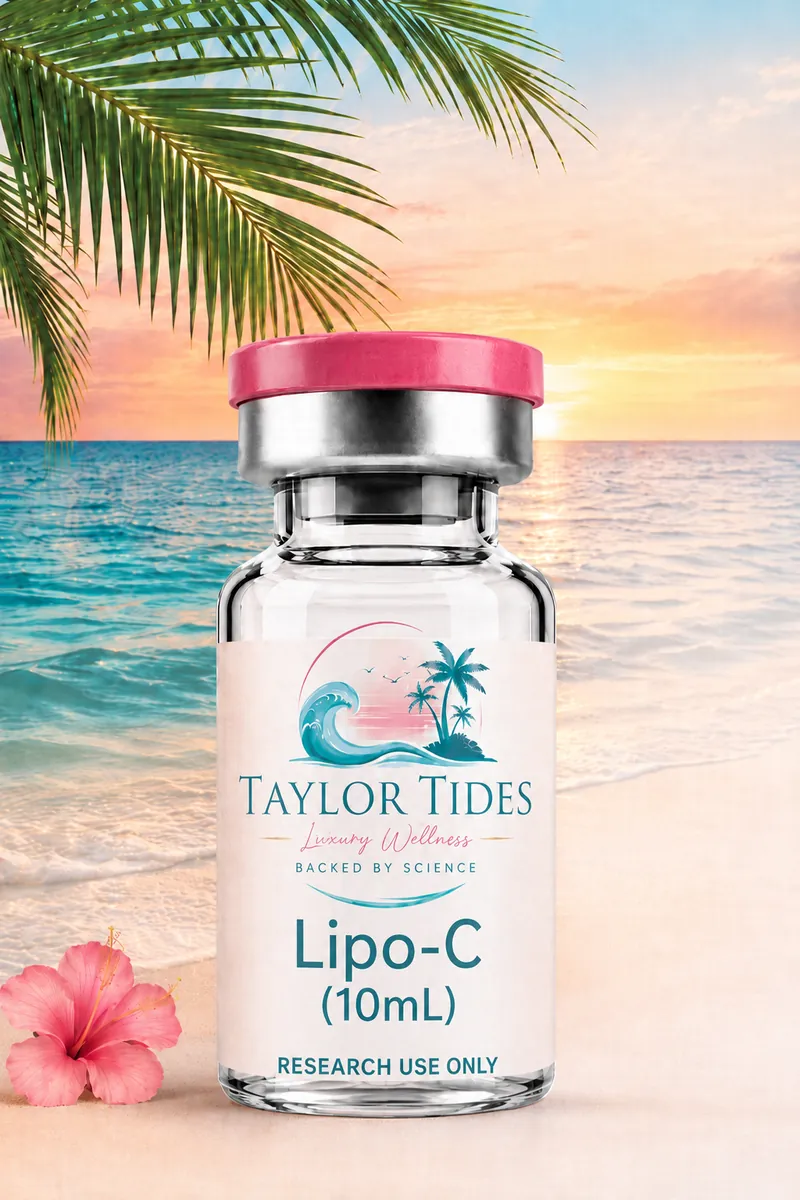
Lipo-C is a name used for injectable nutrient blends that are commonly promoted to support energy, fat metabolism and weight management. Lipo-C is often discussed alongside peptides and is sometimes called a “Lipo-C peptide,” but Lipo-C is not an individual peptide.
There is no universal Lipo-C formula. The ingredients and amounts can vary among pharmacies, clinics and suppliers. Some formulas contain vitamin B12, while others do not.
Lipo-C in 30 Seconds
- Lipo-C is generally a nutrient blend, not a peptide.
- There is no standard formula.
- Many formulas contain L-carnitine, which helps the body use certain fats during energy production.
- Vitamin B12 may or may not be included.
- Helping the body process fat does not prove that an injection burns stored body fat.
- The complete ingredient list matters more than the name “Lipo-C.”
What Is Lipo-C?
Lipo-C products are commonly called lipotropic injections. Lipotropic means related to how the body moves, processes or uses fat. It does not mean that an injection automatically produces weight loss.
Lipo-C is not a peptide either. A peptide is a short chain of amino acids connected in a specific order. Lipo-C may contain amino acids or substances made from them, but mixing those ingredients does not create one peptide.
The confusion exists because Lipo-C is commonly sold and discussed in peptide communities. The phrase “Lipo-C peptide” reflects popular online language, not the scientific classification of the blend.
What Does a Lipo-C Injection Usually Contain?
Commonly marketed Lipo-C formulas may contain:
- L-carnitine: Helps transport certain fats into the parts of cells that can use them to produce energy.
- Methionine: An amino acid used to make proteins and other substances.
- Inositol: Participates in cell communication and several body processes.
- Choline: Supports the brain, nerves, liver and cell membranes.
- B vitamins: Help with blood-cell production, nerve function and releasing energy from food.
A formula may contain some of these ingredients, all of them or additional ingredients. The amounts can also vary considerably. For that reason, information about one Lipo-C product may not apply to another product using the same name.
What Is Lipo-C Supposed to Do?
Lipo-C injections are commonly promoted to support energy production, help the body process fat, reduce fatigue, support weight-management efforts and support liver function.
These claims often begin with a true fact about an ingredient. For example, L-carnitine helps transport certain fats to places inside cells where they can be used to produce energy.
But helping with a normal body process does not guarantee a noticeable result. Supporting fat metabolism is not the same as causing weight loss. Participating in energy production is not the same as making someone feel more energetic.
Do Lipo-C Injections Help With Weight Loss?
There is no strong clinical evidence showing that a standardized Lipo-C injection causes meaningful weight loss.
Studies of L-carnitine have produced mixed results. Some found modest average changes in body weight, while others found little or no effect. These studies generally examined L-carnitine supplements, not complete multi-ingredient Lipo-C injections.
Reported weight changes are also difficult to interpret when someone simultaneously changes their diet, exercises, uses a GLP-1 medication or takes other compounds.
Lipo-C Is Not a Localized Fat-Dissolving Injection
Lipo-C is generally promoted as a nutrient blend, not as a product injected into one area to damage fat cells there. Fat-dissolving injections use different substances to affect fat cells in a specific area.
Do Lipo-C Injections Increase Energy?
Some people say they feel more energetic after receiving Lipo-C. Others notice no meaningful difference.
A useful comparison is motor oil. An engine needs enough oil to work properly. Correcting an insufficient amount is important, but adding more oil when the engine already has enough does not make it produce more power.
Nutrients can work in a similar way. Correcting a genuine deficiency may improve fatigue or weakness. Receiving more of a nutrient that the body already has in sufficient amounts may not produce an additional benefit.
Fatigue can also have many causes, including sleep problems, anemia, thyroid disorders, medications, stress and nutritional deficiencies. Feeling tired does not, by itself, demonstrate that someone needs Lipo-C.
Lipo-C With B12 Versus Lipo-C Without B12
Vitamin B12 helps maintain healthy blood cells and nerves. A deficiency can cause fatigue, weakness, numbness and balance problems.
Treating a B12 deficiency can help. However, vitamin B12 has not been shown to provide additional energy or improve endurance in people who already have enough.
| Question | Lipo-C | Lipo-C with B12 |
|---|---|---|
| Is there a standard formula? | No | No |
| Does it include B12? | Not always | It should appear on the label |
| Is it a peptide? | No | No |
| Does it guarantee weight loss or more energy? | No | No |
The form and amount of B12 should also be verified on the product label.
Why Do Lipo-C Products Look Different?
One Lipo-C product may be clear, while another may be yellow, pink or red. Possible reasons include differences in ingredients, nutrient forms, concentrations or the presence of vitamin B12.
Appearance alone cannot confirm a product’s identity, strength, purity or sterility. An unusual appearance, damaged container or unexpected change should be discussed with the dispensing pharmacy or a qualified medical professional rather than evaluated solely from an online photograph.
Possible Side Effects and Safety Questions
Possible effects depend on the specific formula. Concerns may include:
- Pain, burning, redness or swelling at the injection site
- Nausea, stomach discomfort or diarrhea
- Headache or dizziness
- Sensitivity or an allergic reaction
- Medication interactions
- Receiving excessive amounts of a nutrient
- Contamination or incorrect ingredient amounts
Online conversations include reports of pain, burning, acne and other symptoms. These reports help identify questions worth investigating, but they do not prove that Lipo-C caused a reaction.
Severe pain, spreading redness, increasing swelling, fever, difficulty breathing or other concerning symptoms require immediate medical attention.
What Does “Compounded Lipo-C” Mean?
Drug compounding means that a licensed pharmacist or physician prepares a medication by combining or modifying ingredients to meet a specific patient need.
Compounded products are not FDA-approved. The FDA does not review each compounded formula for safety, effectiveness or manufacturing quality before it is provided to a patient.
This does not mean that every compounded product is unsafe. It means that the formula, source, preparation standards and professional supervision matter.
Useful quality questions include:
- Does the label identify every ingredient and amount?
- Who prepared and dispensed the product?
- Is reliable information available about its identity, strength and sterility?
- Does the formula match what was ordered or prescribed?
A Certificate of Analysis may provide useful laboratory information. It does not automatically demonstrate sterility, clinical effectiveness or that the product is appropriate for a particular person.
Questions to Ask Before Considering Lipo-C
- What are the exact ingredients and amounts?
- Why is each ingredient included?
- Does the formula contain vitamin B12?
- Is there evidence that I am deficient in any of these nutrients?
- What result can reasonably be expected?
- How would we determine whether the product is helping?
- Could it interact with my medications, supplements or health conditions?
- Which side effects require medical attention?
- Who prepared and dispensed the product?
- What information verifies its identity, strength and sterility?
These questions are more useful than relying only on the name “Lipo-C” because the name alone does not identify the formula.
Frequently Asked Questions
What is a Lipo-C injection?
Lipo-C is a general name for an injectable nutrient blend promoted to support energy, fat metabolism and weight management. It is not a standardized formula.
Is Lipo-C a peptide?
No. It is generally a mixture of nutrients and amino-acid-related compounds. It is often called a peptide because it is sold and discussed in peptide communities.
What ingredients does Lipo-C contain?
Common formulas may contain L-carnitine, methionine, inositol, choline and B vitamins. The complete label must be reviewed to identify a specific formula.
Do all Lipo-C injections contain B12?
No. Some formulas include B12 and others do not.
Does Lipo-C help with weight loss?
The complete Lipo-C injection has not been established as a proven weight-loss treatment. Research on individual ingredients does not demonstrate that all Lipo-C blends produce the same result.
Does Lipo-C provide more energy?
Correcting a nutritional deficiency may improve fatigue related to that deficiency. Additional nutrients do not necessarily increase energy when the body already has enough.
Is Lipo-C a fat-dissolving injection?
No. It is generally promoted as a nutrient blend and differs from injections intended to damage fat cells in a specific area.
Why do Lipo-C products have different colors?
Ingredients, nutrient forms and concentrations can affect appearance. Color alone cannot verify identity, strength, purity or sterility.
What are the possible side effects of Lipo-C?
Possible concerns include injection-site discomfort, digestive symptoms, sensitivity and interactions. The specific formula matters.
Are all Lipo-C formulas the same?
No. Different products may use different ingredients and amounts even though they share the Lipo-C name.
This page provides general educational information about Lipo-C injections. It does not provide medical advice, diagnosis, treatment recommendations, dosage instructions, mixing or reconstitution directions, injection instructions or purchasing advice.
Lipo-C formulas can vary. Consult a qualified medical professional and verify the complete product label before making health decisions involving an injectable product.
Sources and Further Reading
- NIH Office of Dietary Supplements: Carnitine
- NIH Office of Dietary Supplements: Vitamin B12
- L-Carnitine and Body Weight: Systematic Review and Meta-Analysis
- FDA: Understanding the Risks of Compounded Drugs
- FDA: Fat-Dissolving Injections That Are Not FDA Approved
Author: TaylorTides. Medical review status: Not reviewed by a licensed clinician. Research reviewed: September 1, 2026.
Lipo-C injections are best understood by examining the ingredients, amounts and evidence rather than relying only on the product name or the phrase “Lipo-C peptide.”